When a loved one starts needing extra support, most families face the same dilemma: how do we provide proper care without taking away their independence?
This is where home care services in Minnesota play a crucial role. Instead of moving into a facility, individuals can receive professional care while staying in the comfort of their own home. It’s a solution that balances safety, independence, and emotional well-being, something every family wants.
In recent years, home caregiver services have become increasingly popular across Minnesota, especially among seniors and individuals recovering from illness or surgery. Families are now prioritizing personalized care over institutional care, and for good reason.
Understanding Home Care Services
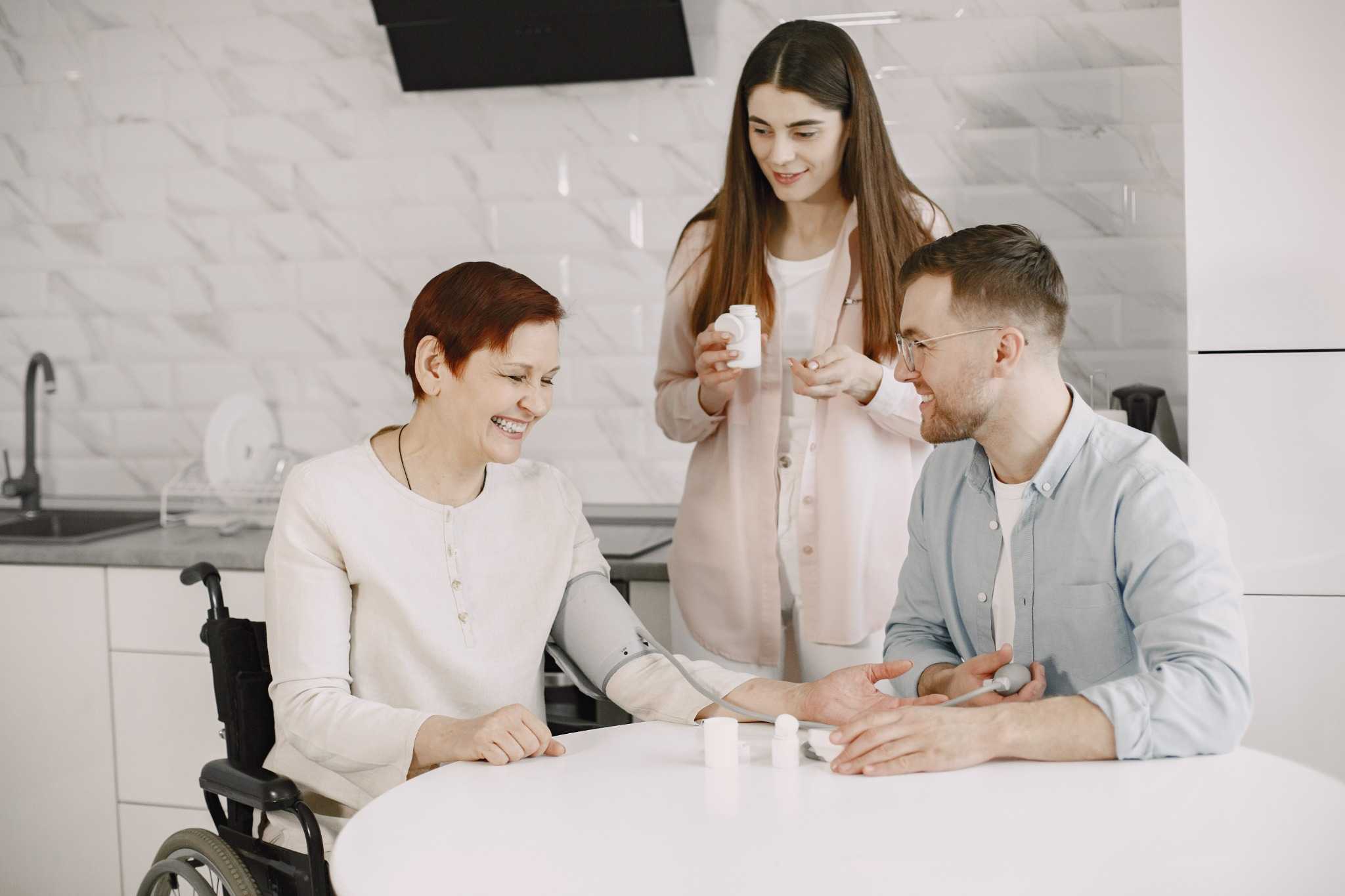
At its core, home care services in Minnesota encompass a range of medical and non-medical support provided directly in a person’s home. These services are designed to help individuals manage daily activities, maintain hygiene, stay active, and live safely without needing to relocate.
Unlike nursing homes, home care is flexible. It can be part-time, full-time, or even temporary, depending on the situation. This flexibility makes it an ideal choice for families who want to stay involved in caregiving while still relying on trained professionals.
Home care is not just about physical assistance; it also focuses on emotional well-being. Many individuals experience loneliness or isolation, and having a caregiver around provides companionship, which is just as important as physical support.
Types of Home Caregiver Services Available
There are different types of home caregiver services, and understanding them can help you make the right decision for your loved one.
Most commonly, services include:
- Personal care such as bathing, dressing, and grooming
- Companion care that provides emotional support and daily interaction
- Homemaker services like cooking, cleaning, and grocery shopping
- Skilled nursing care for medical needs
- Respite care for temporary relief to family caregivers
Each of these services can be customized based on the individual’s health condition, lifestyle, and preferences. For example, some families may only need a caregiver for a few hours a day, while others might require round-the-clock assistance.
Why Home Care Training Matters
One of the most overlooked aspects when choosing a provider is home care training. Behind every reliable caregiver is proper training that ensures they can handle real-life situations with confidence and care.
In Minnesota, caregivers are typically trained in areas like patient safety, hygiene practices, emergency response, and communication. But beyond technical skills, good training also focuses on empathy and understanding, because caregiving is as much about emotional connection as it is about physical assistance.
Well-trained caregivers can quickly identify warning signs, prevent accidents, and provide better overall care. This not only improves the quality of life for the individual but also gives families peace of mind.
Benefits of Choosing Home Care Services in Minnesota
Choosing home care services in Minnesota offers several long-term advantages that go beyond convenience. For many families, the biggest benefit is the ability to keep their loved ones in a familiar environment. Being at home reduces stress, speeds up recovery, and improves emotional health. It also allows individuals to maintain their routines, which is especially important for seniors.
Additionally, home care is highly personalized. Unlike facilities where care is standardized, home care plans are tailored to individual needs. This ensures that the person receives exactly the level of support they require, nothing more, nothing less.
Some key benefits include:
- Greater independence and dignity
- One-on-one personalized attention
- Cost-effective compared to residential care
- Stronger family involvement
- Flexible scheduling based on needs
How to Choose the Right Home Care Provider
Selecting the right provider for home caregiver services is a decision that should not be rushed. It’s important to look beyond pricing and focus on quality, reliability, and caregiver expertise. Start by understanding your specific needs, whether you require basic assistance or medical care. Once that’s clear, look for agencies that are licensed and have a strong reputation in Minnesota.
It’s also important to ask about their home care training programs. Agencies that invest in continuous training usually provide better care. Reading reviews, checking testimonials, and scheduling a consultation can also give you a clearer picture of what to expect.
Most importantly, trust your instincts. A good provider will not just offer services; they will genuinely care about your loved one’s well-being.
Frequently Asked Questions (FAQs)
- What do home care services in Minnesota include?
Home care services typically include personal care, companionship, housekeeping, and sometimes medical support, depending on the provider. Services are customized based on individual needs. - How do I know if my loved one needs home caregiver services?
If your loved one struggles with daily activities, mobility, or feels isolated, it may be time to consider professional home caregiver services. - Does insurance in Minnesota cover home care services?
Some services, especially medical care, may be covered by insurance or Medicaid. Non-medical care is usually paid out-of-pocket. - What qualifications should a caregiver have?
A caregiver should have proper home care training, experience, and strong communication skills. Certification requirements may vary depending on the type of care. - Can home care services be temporary?
Yes, home care can be short-term (post-surgery recovery) or long-term, depending on the situation and family needs.
Final Thoughts
The demand for home care services in Minnesota is growing rapidly, and it’s easy to see why. Families today are looking for care solutions that are not only effective but also compassionate and personalized.
With the right home caregiver services and properly trained professionals, individuals can continue living safely and independently in their own homes. And for families, that means peace of mind knowing their loved ones are in good hands.